What's the best OpenArt alternative for consistent characters?+
It depends on the kind of character. For photorealistic humans and AI influencers, OpenArt's own Character Builder is already strong, and there isn't a stronger alternative inside that lane short of Midjourney. For cartoon characters across recurring scenes, children's books, comics, mascot series, classroom stories, Neolemon is the most directly purpose-built alternative. For long-form AI video with consistent characters, tools like Atlabs and Crreo target that specific job.
Is Neolemon better than OpenArt for children's book illustrations?+
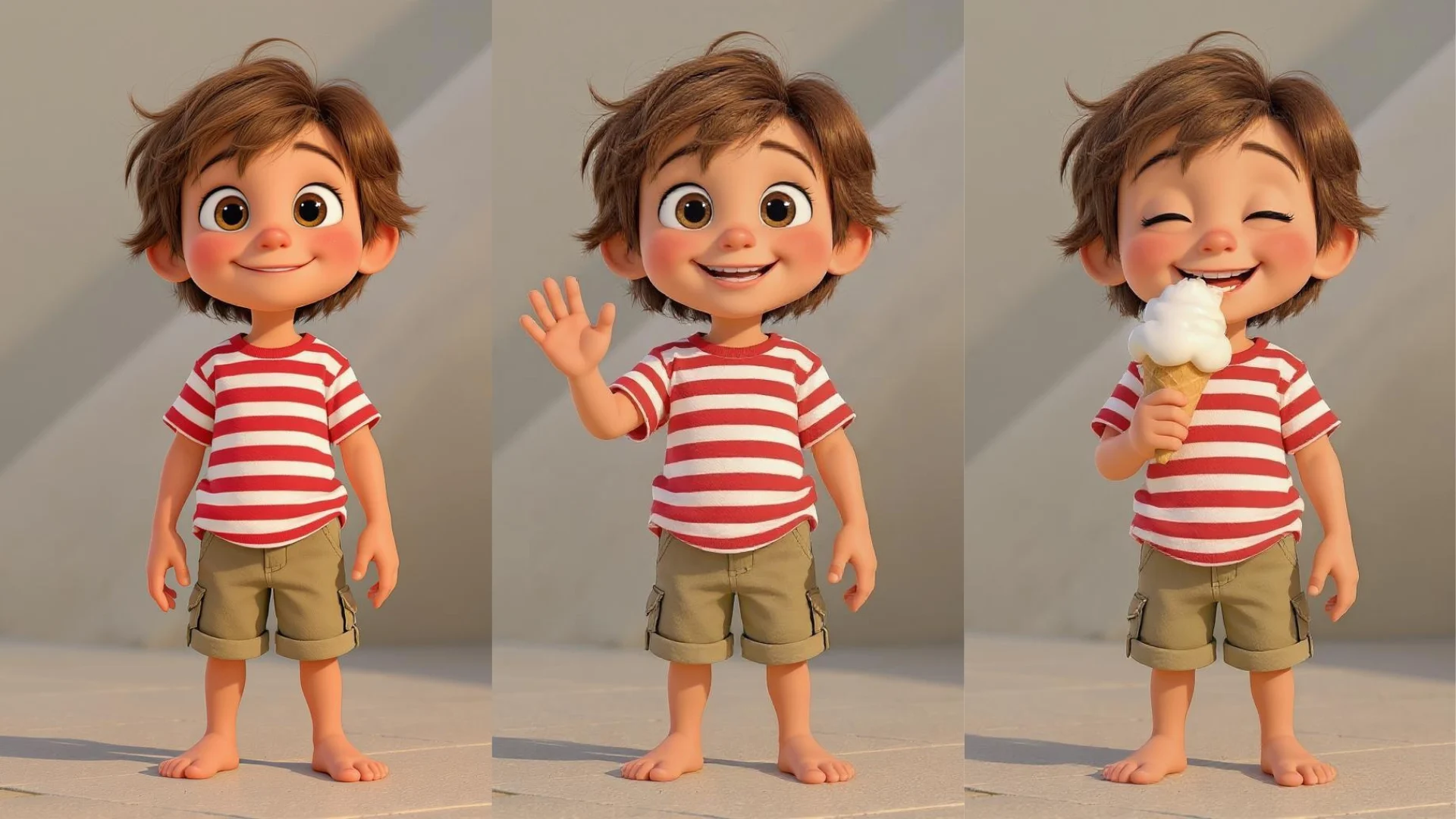
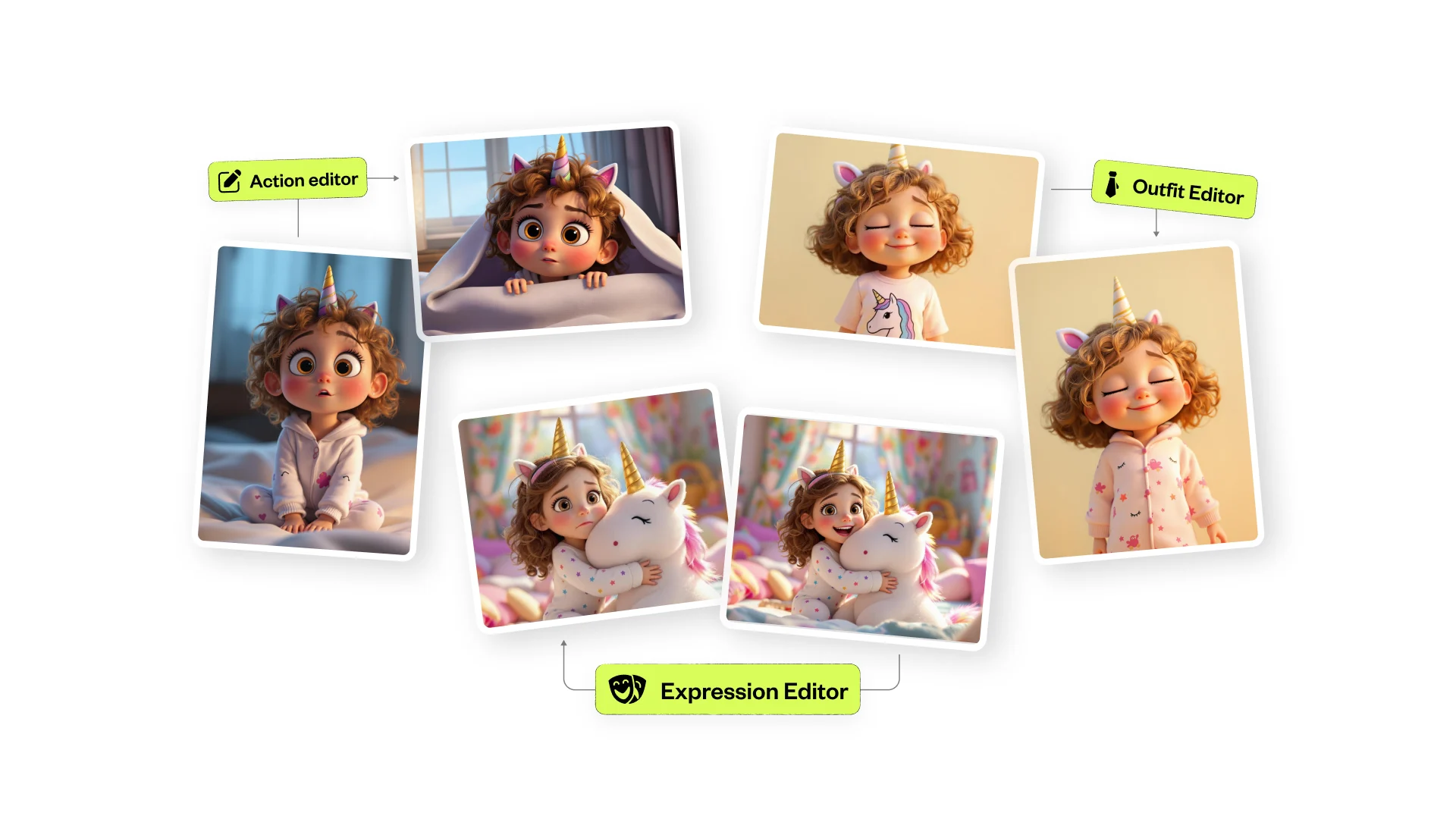
For the specific job of illustrating a 24 to 32-page book with the same cartoon character on every page, yes. The workflow, Character Turbo into Action, Expression, and Outfit editors into Story Scene Pro into Storyboard, maps directly to that pipeline. OpenArt can produce children's-book illustrations, but it isn't built around the storybook production layer.
Can OpenArt actually create consistent characters?+
Yes. OpenArt has a real character system: an AI character generator, subject reference, Character Builder, and custom training from 4 to 128 images. Reviews mention visual novels with 20+ same-character scenes and full casts. Other reviews report drift on detailed characters like furred animals or very specific cartoon characters. The honest framing is that it works well for some character types and less well for high-detail recurring identity across many scenes.
Is OpenArt better than Neolemon for photorealistic characters?+
Yes. Neolemon discontinued photorealistic styles in May 2025 and is cartoon-only now. OpenArt's Character Builder is explicitly photoreal-first. If you need realistic human faces, start with OpenArt or Midjourney.
Which tool is better for AI video?+
OpenArt, by a wide margin. Neolemon doesn't do video natively, it generates consistent frames and keyframes, and the published philosophy is to use Runway, Kling, Higgsfield, or CapCut for motion. OpenArt has lip-sync, motion-sync, Smart Shot, one-click story, and image-to-video built in.
Why do AI characters change between scenes?+
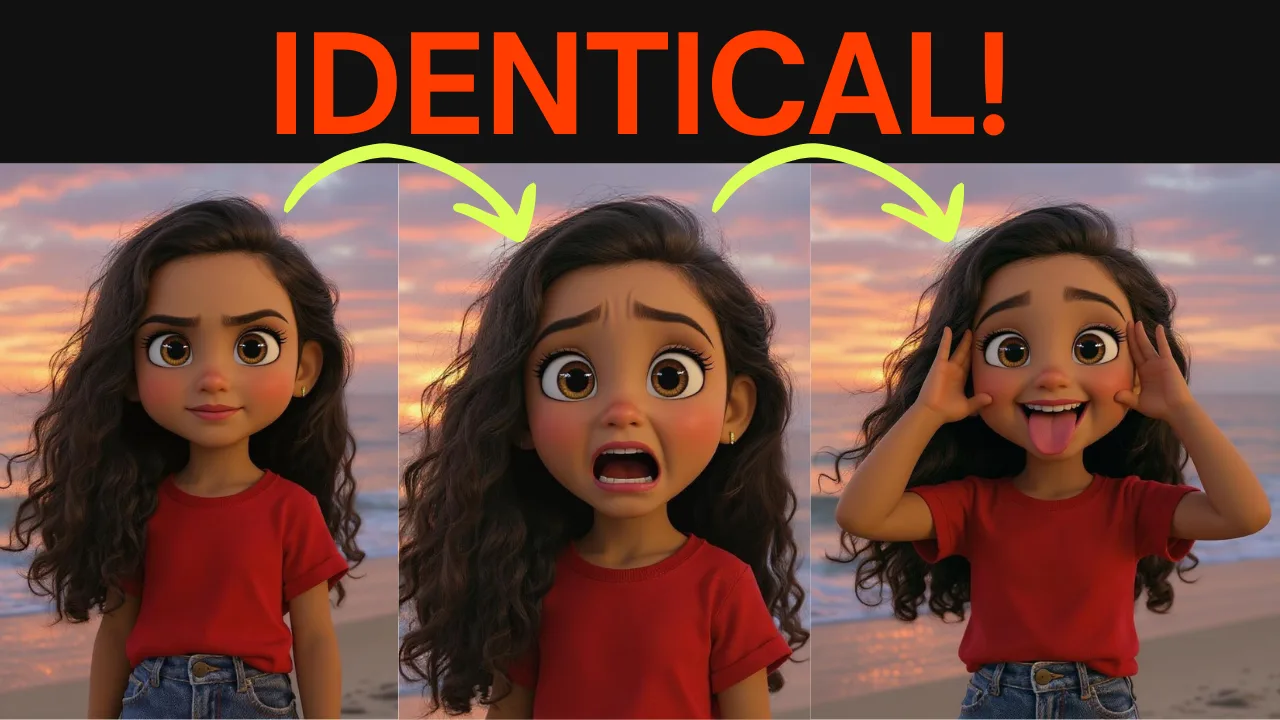
Most diffusion models have no persistent notion of "this is Tom, keep him the same." Each generation starts from random noise, so face structure, hair, and outfit details drift. The fix is reference-conditioned generation that anchors identity, plus a workflow that varies only one thing, pose, expression, or background, rather than re-prompting the whole character. That's the principle behind Neolemon's editors, and behind OpenArt's character systems too.
How much does Neolemon cost compared with OpenArt?+
Neolemon's Creator Plan is $29 a month for 600 credits, with commercial-use rights included. OpenArt runs $14 (Essential, no commercial use), $29 (Advanced, 12,000 credits, commercial use), $56 (Infinite), and $240 (Wonder). On raw credits per dollar, OpenArt wins easily. On a focused storybook-character workflow, the math gets more interesting once you count retries and the tools you don't need.
Is there a free OpenArt alternative?+
Neolemon offers a free trial of 20 credits with no card required. OpenArt offers daily free credits on basic models plus a 20-credit premium bonus on its free plan. Neither is free forever for serious project work. Both run on credits and expect a subscription for production.
Can I use Neolemon or OpenArt for commercial projects?+
Neolemon's paid plan includes commercial-use rights. OpenArt's commercial rights start at the Advanced tier, which is $29 a month. On both, commercial-use rights are not the same as copyright ownership, since US law on AI-generated content is evolving. Evaluate copyright, platform disclosure rules, and IP strategy independently.
Can Neolemon make a print-ready KDP book?+
No, and neither does OpenArt. Neolemon's storyboard PDF is a storyboard for sharing with collaborators, not a print-ready interior. Final specs, trim size, bleed, margins, DPI, need to be prepared separately in a layout tool. Both tools handle illustration and sequencing. KDP interior assembly is a separate step.
Can Neolemon animate characters?+
Not natively. The positioning is "we make consistent frames, you animate elsewhere." The canonical pipeline is to generate keyframes in Neolemon, feed them into Higgsfield, Runway, or Kling for motion, then edit in CapCut. If you want native AI video inside the tool, OpenArt is the right choice.
Do I have to disclose AI-generated content on KDP?+
Yes. Amazon KDP requires disclosure of AI-generated content when you publish or republish a book, for both cover and interior artwork. Substantially editing the output afterward doesn't change the requirement. This applies to work from either tool.
 Neolemon